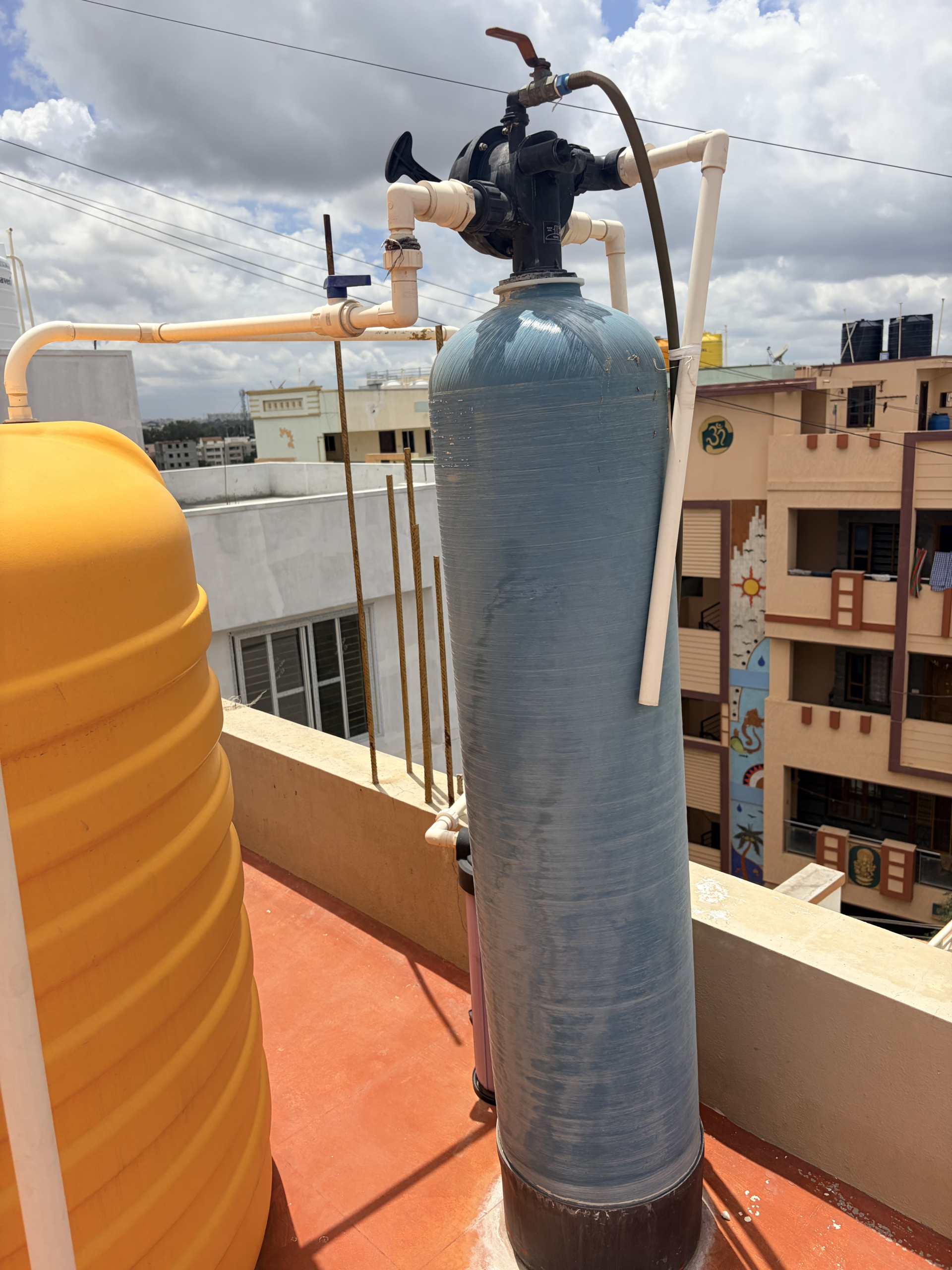
A basic salt-based single-tank unit installs for as little as $450, while a whole-home high-capacity system can run past $11,000 once equipment and labor are both factored in. A water softener install runs anywhere from a few hundred dollars to well over five figures, and almost all of that spread comes down to which technology you pick and whether you’re paying someone to run new plumbing and a drain line or doing it yourself. This guide breaks down cost by softener type, by grain capacity, what a professional install bills for beyond the unit itself, and where the job is realistic to take on yourself.
Cost by System Type
Salt-based ion exchange is still the standard for removing hardness minerals outright, not just changing their behavior; it’s the baseline most of these prices are built around. Salt-free conditioners skip the salt and the drain line requirement, which simplifies installation, but they condition minerals instead of removing them and can struggle with very hard water. Dual-tank systems cost more up front because you’re buying two resin tanks instead of one, but you get continuous soft water during regeneration instead of a window of untreated water while the single tank cycles. We explain how we pick a baseline technology like this and build the rest of the range around it in How We Estimate.
| System Type | Equipment Cost | Typical Installed Total |
|---|---|---|
| Salt-based single-tank | $300–$1,500 | $450–$2,500 |
| Salt-free conditioner | $800–$2,500 | $1,300–$3,200 |
| Dual-tank (salt-based) | $1,800–$3,500 | $2,500–$4,500 |
| Whole-home high-capacity / commercial-grade | $3,000+ | $4,000–$11,000+ |
That single-tank line isn’t one product. It’s the spread across four grain-capacity tiers, from a 24,000-grain unit sized for a small household up to a 64,000-grain unit for a large one, and the table below breaks out exactly where each tier falls within it.
Cost by Grain Capacity
System type sets the technology.
Grain capacity sets the size, and it’s what most buyers shop on once they’ve decided salt-based is the right fit — because a unit that’s too small regenerates constantly, and one that’s too big is money spent on capacity you’ll never use.
| Grain Capacity | Water Hardness (GPG) | Household Fit | Equipment Cost | Installed Total |
|---|---|---|---|---|
| 24,000 grain | 6 – 9 | 2 – 4 people | $300–$600 | $450–$1,600 |
| 32,000 grain | 10 – 12 | 4 – 6 people | $400–$1,000 | $550–$2,000 |
| 48,000 grain | 13 – 18 | 4 – 6+ people, very hard water | $500–$1,200 | $650–$2,200 |
| 64,000 grain | 18 – 20 | Up to 8 people or multiple bathrooms | $1,000–$1,500 | $1,150–$2,500 |
A 24,000-grain unit is the entry point; it suits a small household on moderately hard water and not much else.
Go bigger than your household needs and you’re not buying better softening, just a bigger tank sitting mostly idle between regenerations. Go smaller and you’ll know within a month, because the salt bill climbs and the unit starts cycling every couple of days instead of once a week.
What’s Actually in a Professional Install
Labor typically runs $150–$1,000, with most straightforward jobs landing around $500–$700. That covers cutting into the main supply line; plumbing in a bypass valve so you can service the unit without shutting off water to the whole house; running a drain line for the regeneration cycle, usually to a nearby floor drain, standpipe, or utility sink; and in some cases an electrical outlet near the unit for the control head. A job that needs new plumbing runs, an added drain where none exists, or work on older galvanized supply lines will land at the higher end or beyond it.
Sizing It Correctly
Undersizing is the most common expensive mistake. A system that regenerates too often burns through salt fast and shortens the resin’s working life. Sizing math is simple: multiply daily household water use by hardness in grains per gallon (GPG), and that’s the daily grain removal you need capacity for.
A family of four using around 300 gallons a day, with moderately hard water at 10 GPG, needs roughly 3,000 grains of daily capacity. Per the table above, that lands them in the 32,000-grain tier, not the 24,000-grain one — enough headroom for normal regeneration frequency instead of a unit cycling every couple of days. Get your water tested before buying anything. A local water utility report or a cheap test strip kit will do for a ballpark; guessing at hardness is how people end up with a system that’s the wrong size in either direction.
If You’re Taking the DIY Route
Installing a water softener yourself is realistic if you’re comfortable with basic plumbing and your home already has a straightforward supply line to tap into — modern push-to-connect fittings mean you often don’t need to solder copper at all. It’s not a beginner’s first plumbing project, but it’s well within reach for anyone who’s done a water heater or fixture swap before.
- AFWFilters 48K Grain Fleck 5600 SXT Water Softener (Complete System) — The Fleck 5600 SXT is the system most DIY plumbing guides build around — it ships as a complete unit with the bypass valve and brine tank included, and the digital metered control is well documented online if you need to troubleshoot the setup later.
- Compare push-to-connect fittings — Push-fit fittings let you tie into copper, PEX, or CPVC supply lines without soldering or solvent welding, which is what makes a weekend DIY install realistic for most people.
- Compare drain line air gap kits — Code in most areas requires an air gap on the drain line so wastewater can’t siphon back into the softener — cheap to add during install, a real problem to retrofit later if an inspector flags it.
Call a licensed plumber if your home doesn’t already have an accessible shutoff near the intended install point; if you’re on well water with iron or sediment issues that need a pre-filter; or if your local code requires a permit and inspection for the drain connection. Pulling a permit after the fact for water treatment equipment is more expensive than getting it upfront.
Whatever system and capacity you land on, check your municipal or HOA rules before you buy. A growing number of areas restrict or ban salt-based softener discharge into the sewer system because of downstream sodium levels, which would push you toward a salt-free conditioner or a potassium-chloride alternative regardless of which one you’d otherwise prefer on performance alone.
More Cost Guides
- Tub-to-Shower Conversion Cost in a 60-Inch Alcove: What Moving the Drain Adds (2026)
- Bathroom Refinishing Cost by Surface: Tub, Tile and Vanity Top in One Visit (2026)
- Fiberglass Shower Refinishing Cost: Reglaze, Liner or Full Replacement (2026)
- Electrical Panel Upgrade Cost: 100A to 200A, Installed (2026)
Leave a Reply