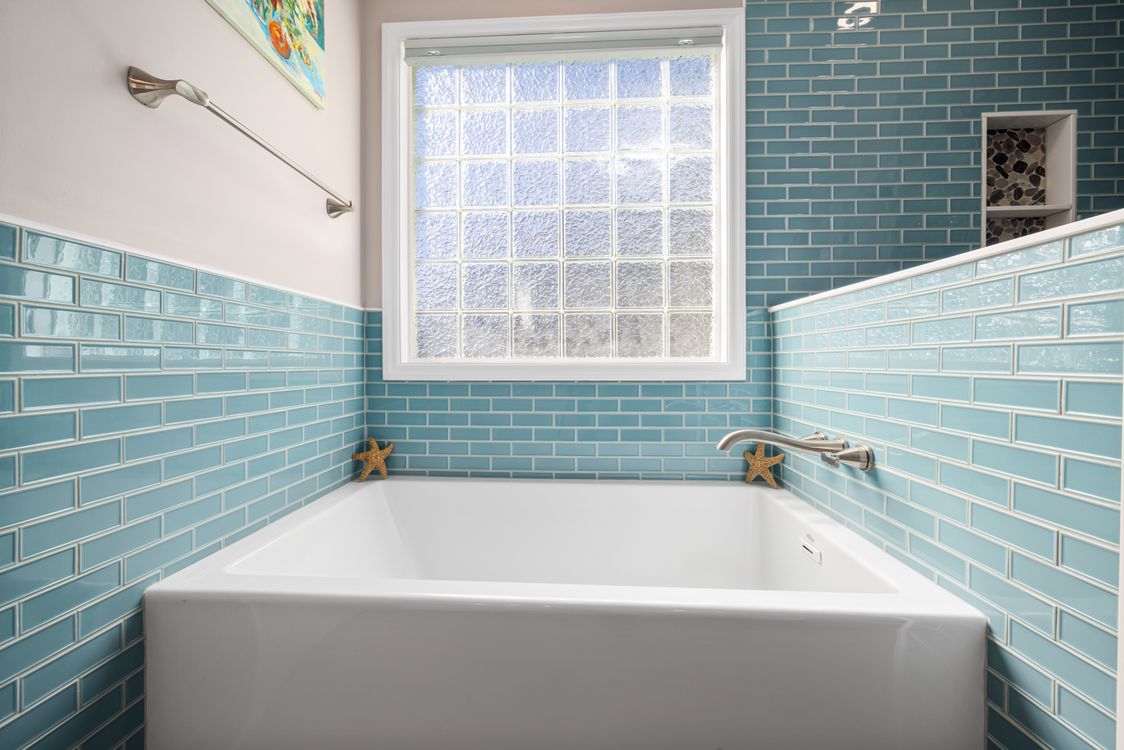
Refinishing a worn tub professionally costs $300 to $1,400, far less than the $1,500 to $6,000 a like-for-like replacement takes, and a DIY epoxy kit undercuts both at $40 to $150. A tub with a dull, stained, or chipped surface doesn’t automatically need to be ripped out. Refinishing (also called reglazing) can make a worn tub look new again for a fraction of replacement cost — but it’s not always the right call. Here’s the honest math on both.
Bottom line
$300–$10,000+
Professional refinishing: $300–$1,400 depending on tub type. Full replacement: $1,500–$6,000 like-for-like, plus $2,000–$4,000 if you’re adding new tile, more for a layout change.
Refinish If the Tub Itself Is Sound
Refinishing works when the problem is cosmetic: dullness, minor chips, staining, or an outdated color, and the tub isn’t cracked through, leaking, or structurally compromised. A pro sands and etches the surface, repairs small chips, then sprays on a new coating — usually done in a day, with the tub usable again in 24-48 hours. Done professionally, that finish holds up 10-15 years with normal care (no abrasive cleaners, no standing water damage to the coating).
Replace instead if there’s a structural crack, the tub is leaking into the subfloor, you’re changing the tub’s size or location, or you’ve already refinished it once before and it’s failing again — a second refinish on top of a first doesn’t hold as well.
About Those DIY Refinishing Kits
This is a case where the cheap option isn’t actually a good deal, not a safety issue. DIY epoxy kits run $40–$150 and are legal and reasonably safe to use with proper ventilation (wear a respirator rated for organic vapors, not just a dust mask — the fumes are genuinely strong). But the honest result: retail epoxy doesn’t bond to porcelain or fiberglass the way professional-grade coatings do, and DIY jobs typically start chipping, bubbling, or peeling within 12-24 months instead of lasting 10-15 years. You’re not choosing cheap-but-rougher here, the way you might with paint — you’re choosing a finish that will likely need to be redone (or professionally refinished over) within a couple of years. If budget is tight, it’s a legitimate short-term stopgap before a move or sale, not a long-term fix.
Find Your Number
| Tub Type | Refinish/Reglaze (pro) | Full Replacement |
|---|---|---|
| Standard tub, surface only | $350–$600 | $1,500–$3,000 |
| Tub-shower combo | $800–$1,200 | $3,500–$6,000 |
| Clawfoot or ornate tub | $400–$1,400 | $3,000–$6,000 |
Replacement costs jump further if you’re also changing layout or plumbing location — that can push a project to $8,000–$10,000+ once you add permits, wall repair, and reworking supply lines.
Cost by Tub Material, Not Just Type
The type-based numbers above assume a standard material. What the tub is actually made of moves the price too, and it’s the detail most refinishing quotes lead with once someone actually looks at your bathroom, so it’s worth knowing before you call around:
| Material | Refinish/Reglaze (pro) |
|---|---|
| Porcelain (standard) | $350–$600 |
| Porcelain (antique/clawfoot) | $500–$1,200 |
| Cast iron | $350–$650 |
| Acrylic | $400–$700 |
| Fiberglass | $300–$1,000 |
Fiberglass has the widest range of the group, and that’s not inconsistent pricing — it’s a genuinely harder material to refinish well. It flexes slightly under weight, which cheap coatings can crack along, so a contractor pricing a fiberglass job is really pricing in how much prep and coating quality it takes to get a finish that survives normal use. Acrylic needs the opposite kind of care: it’s heat- and chemical-sensitive, so a rushed job can warp the surface, which is why acrylic refinishing tends to run through pros who use spray glaze or urethane rather than a general contractor doing it as a side job. That wider range for fiberglass is not inconsistent pricing so much as a harder material to quote with confidence, which is exactly the kind of factor we walk through in How We Estimate.
What Pushes Replacement Cost Up
- New tile surround: if you’re replacing the tub and the surrounding tile, add $2,000–$4,000 to the base swap cost.
- Subfloor damage: a leaking tub sometimes means rotted subfloor underneath — you won’t know until it’s opened up, and repair can add $500–$2,000.
- Plumbing relocation: moving the drain or supply lines, or changing tub size/orientation, is the single biggest cost driver, often adding thousands.
- Permits: most full bathtub replacements involving plumbing work need a permit, typically $50–$500 depending on your city.
- Tub material: cast iron and acrylic cost more than standard fiberglass, and heavier materials can add to installation labor too.
Practical Tips
- Refinish before you replace unless you have a real reason not to. The cost gap is large enough that it’s worth ruling refinishing out first, not just defaulting to replacement.
- Ask about the coating type. Professional-grade polyurethane or acrylic coatings outlast cheaper epoxy sprays — ask specifically what’s being used.
- Stay off the tub for the full cure window. Using it too soon is the most common reason a professional refinish fails early.
- Skip abrasive cleaners for good. Soft-scrub or bleach-based abrasives will shorten a refinished surface’s life significantly — switch to a non-abrasive bathroom cleaner.
- Get eyes on it in person before assuming replacement is required. A crack that looks bad in a photo is sometimes a surface issue a refinisher can address; a phone quote isn’t a diagnosis.
Costs above are national averages from current bathroom remodeling and refinishing industry pricing as of late August 2026. Actual costs vary by region, tub material, and condition — get two or three written quotes from local refinishing or plumbing contractors before deciding.
Related Cost Guides
- Mini-Split Heat Pump Installation Cost
- Tank vs. Tankless Water Heater Cost
- Interior Painting Cost: DIY vs. Professional
If You’re Taking the DIY Route
Refinishing a tub yourself runs $50–$120 in materials against $350–$600 for a pro —
the trade-off is about six hours of work and a three-day cure before you can use the tub.
The two-part epoxy kits below are what most DIY refinishing jobs actually use:
- Rust-Oleum 7860519 Tub and Tile Refinishing 2-Part Kit — the long-standing SKU, covers a standard tub in two coats
- Compare current tub refinishing kits — including pour-on systems, if you want to see what else is available
Ventilation is not optional with these — the epoxy fumes are genuinely strong, and the
finish will not cure properly over soap film, so the prep scrub matters more than the paint.
Leave a Reply