Gas-line distance and electrical panel work set the $3,000 to $7,000 labor line inside a standby generator’s $9,600 to $23,300 installed total. A standby generator and a portable generator both keep your lights on in an outage, but they’re not the same purchase — one runs automatically and costs as much as a used car, the other costs a fraction of that and asks you to plug it in yourself. Knowing which one you actually need is most of this decision.
Standby Generators: Installed Cost by Size
A permanently installed standby generator — the kind that starts itself within seconds of an outage — runs $9,600 to $23,300 fully installed, including the unit, an automatic transfer switch, a concrete pad, the gas line tie-in, and the electrical permit and inspection. Most homes land in the $10,000–$14,000 range on a 22kW unit, which covers a typical house running central air and major appliances.
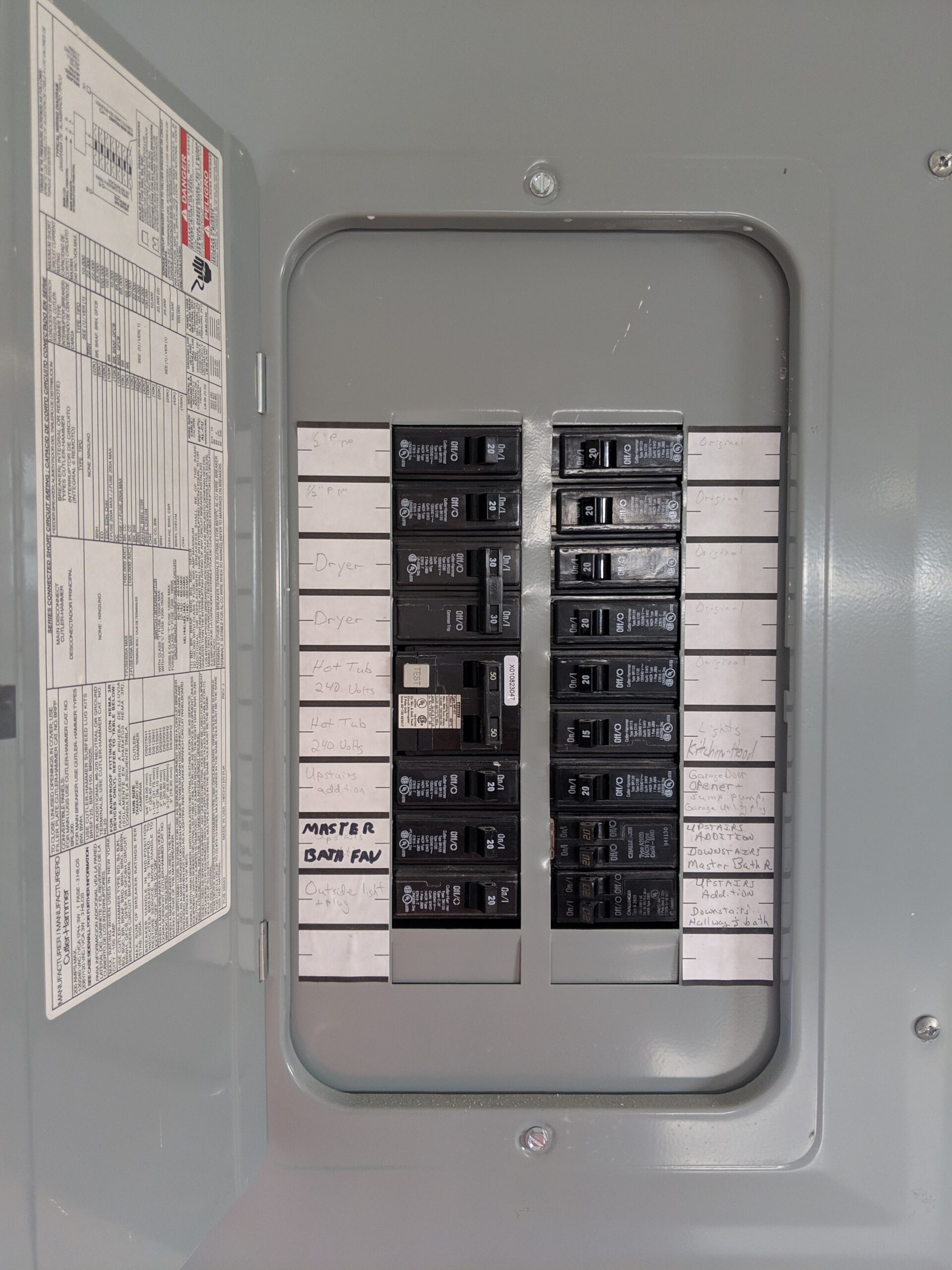
Installation labor alone is $3,000 to $7,000 of that total, driven mostly by how far the gas line has to run and how much panel work is involved — a home already on natural gas near the meter is a cheaper install than one needing a new propane tank and a long trench.
| Generator Size | Typical Installed Cost |
|---|---|
| 8 kW (small home, essentials only) | $9,600–$16,900 |
| 14 kW (most common size) | $11,200–$19,500 |
| 22 kW (whole-home, central air included) | $13,400–$23,300 |
The Cheaper Alternative: Portable Generator + Transfer Switch
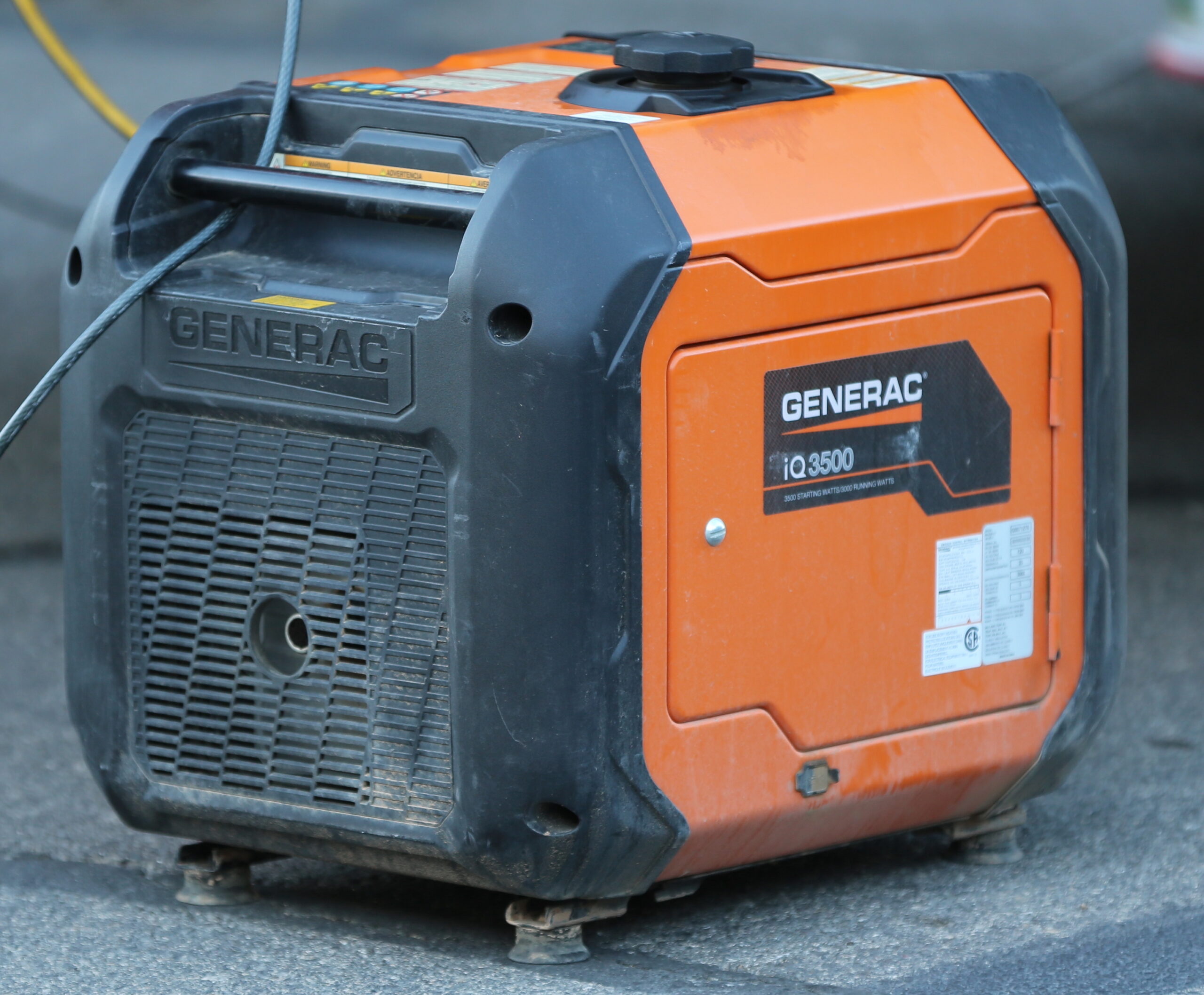
A portable generator paired with a manual transfer switch costs a small fraction of a standby system — typically $1,500 to $3,500 total including the generator, the switch, and a licensed electrician to wire the switch into your panel. The tradeoff is exactly what it sounds like: nothing happens automatically. You have to roll the generator out, connect it, and flip the switch yourself, which means someone has to be home and awake when the power goes out.
This is the right call for most homes that lose power a few times a year for a few hours at a time. A standby system earns its price when outages in your area are long, frequent, or you have a medical reason the power genuinely cannot stay off.
For shorter outages, or if you mainly need to keep a fridge, medical equipment, or a home office running rather than power the whole house, a battery-based portable power station is a fuel-free middle ground — no gas, no electrician, no permit. It can’t run the loads a gas generator can, but for the outages that only last a few hours it’s simpler and quieter. See our picks for portable power stations for options across budgets.
If You’re Going the Portable Route
The generator and switch are DIY-buyable, but the wiring at the panel is not a DIY step — get that part inspected. Everything up to the panel connection, you can handle yourself.
- DuroStar DS13000MX 13,000-Watt Dual Fuel Portable Generator — Transfer switch ready with a 50-amp outlet, which matters — some portable generators need an adapter to work with a standard transfer switch inlet and this one doesn’t. Dual fuel means it’ll run on propane if gasoline is hard to find during a regional outage, and push-button electric start means you aren’t pull-starting a 500cc engine in the rain.
- Connecticut Electric EmerGen 30A 10-Circuit Manual Transfer Switch Kit — Ten circuits is enough to cover the fridge, furnace blower, a few lights, and the well pump if you have one — the circuits that actually matter during an outage, not the whole house.
The transfer switch has to be wired into your main panel by a licensed electrician in most jurisdictions, and skipping that step to save money is the one place this job turns dangerous — a generator back-feeding into the grid through an unswitched panel can kill a utility lineman working on what they think is a dead line.
Get at least two quotes for a standby system and ask each one to itemize the gas line and pad work separately from the generator and switch — that’s where installer prices actually diverge, not in the unit itself, which is close to list price everywhere. That same idea – separating the parts of a quote that vary from the part that does not – is how we build the ranges here, covered in How We Estimate.