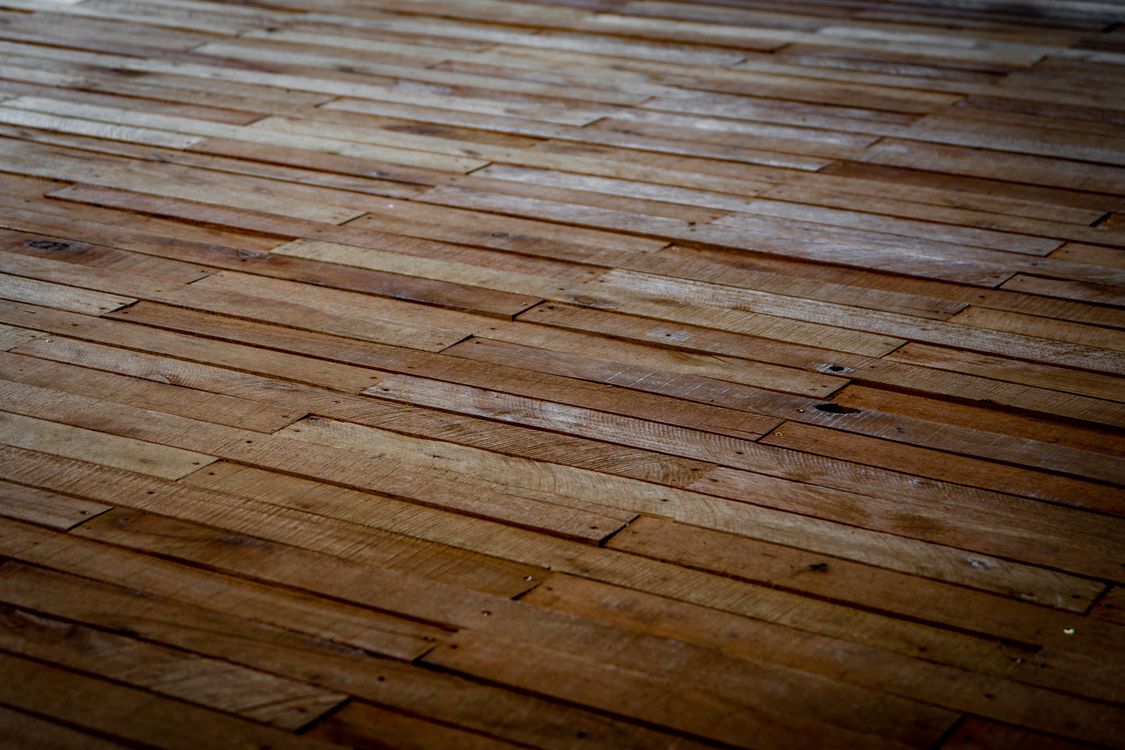
If the finish is worn but the wood underneath is still sound, a screen and recoat runs $1.50 to $3.50 per square foot versus $3.50 to $8.00 for a full sand down to bare wood. Not every worn hardwood floor needs a full sand-down. If the wood itself isn’t exposed, a much cheaper and faster fix might get you 90% of the way there. Here’s how to tell which one you actually need, and what each costs.
Bottom line
$1.50–$8.00 per sq ft
Screen & recoat (finish is worn, no bare wood): $1.50–$3.50/sq ft. Full sand & refinish (bare wood, deep scratches, or color change): $3.50–$8.00/sq ft.
How to Tell Which One You Need
Look at the floor in bright light. If the finish is dull, scuffed, or has lost its shine but you can’t see actual bare wood anywhere, you’re a screen-and-recoat candidate — that’s a light abrasion of the top finish layer followed by a fresh coat, done in a day, with way less dust and no wood removed. If you can see bare wood, deep scratches, water stains, or gaps where old finish has worn through, or you want to change the stain color, you need a full sand: taking the floor down past the old finish and some wood, then refinishing from scratch.
Screen and recoat only works if the floor has enough finish layers left to grab onto — if it’s been screened multiple times before or the wood is already exposed in spots, you’re not saving money, you’re deferring the real job.
Where DIY Actually Makes Sense
This is one of the more genuinely DIY-friendly projects on this site, with a real caveat: scope matters a lot. A screen-and-recoat kit or rental buffer is low-risk and reasonably forgiving — a solid weekend project for most people. A full sand-and-refinish is a different animal: renting a drum sander, edger, and buffer runs $150–$200/day, and the failure modes are expensive — drum marks, uneven sanding, and blotchy stain are common first-timer mistakes, and fixing a botched DIY sand job often costs more than just hiring a pro would have. DIY full-sand makes the most sense under about 300 sq ft, where a mistake is cheaper to live with or redo. Above that, or if you’re dealing with stairs, pet stains, water damage, or engineered (not solid) hardwood, hire it out.
Find Your Number
| Area | Screen & Recoat | Full Sand & Refinish |
|---|---|---|
| Small room (~150 sq ft) | $225–$525 | $525–$1,200 |
| Medium room (~300 sq ft) | $450–$1,050 | $1,050–$2,400 |
| Large room / open area (~500 sq ft) | $750–$1,750 | $1,750–$4,000 |
| Whole floor (~1,000 sq ft) | $1,500–$3,500 | $3,500–$8,000 |
Professional pricing above. DIY (sander rental + materials) typically runs 40-60% less for the full-sand column — roughly $1.50–$3.00/sq ft — but budget for mistakes if it’s your first time.
What Pushes the Price Up
- Stain or color change: going darker or changing wood tone significantly adds time (and risk of blotching), typically $0.50–$1.50/sq ft more.
- Wood species: exotic or very hard woods (like some engineered or reclaimed floors) need different sanding equipment and more passes.
- Repairs first: replacing damaged boards, fixing squeaks, or patching gaps before refinishing adds a separate line item, often $5–$15 per board.
- Dustless/containment systems: if you want the low-dust sanding method (common in occupied homes), expect a modest premium over standard sanding.
- Finish type: oil-based polyurethane is cheaper than water-based or hardwax oil finishes, but has stronger fumes and a longer cure time.
Practical Tips
- Do the finger-scratch test. Lightly scratch an inconspicuous spot with a fingernail. If it leaves a mark but doesn’t dig into wood, you’re likely fine with a recoat.
- Get multiple pros to look in person. Refinishing needs are hard to quote accurately from photos — a phone estimate is a starting point, not a number to plan around.
- Ask about dust containment. Older sanding methods can leave dust throughout the house for weeks; modern dustless systems cost a bit more but are worth it if you’re staying in the home during the work.
- Budget for furniture moving. Some quotes include it, some don’t — ask before assuming.
- Recoat sooner rather than later. Catching a worn finish before wood is exposed is what keeps you in the cheap screen-and-recoat category instead of the full sand.
Costs above are national estimates for mid-2026, not quotes — here’s how we arrive at a range. Actual costs vary by region, wood species, and floor condition — get two or three written quotes from local flooring contractors before deciding.
Related Cost Guides
- Mini-Split Heat Pump Installation Cost
- Bathtub Refinishing vs. Replacement Cost
- Tank vs. Tankless Water Heater Cost
If you’re handling this yourself, the materials are the easy part to source —
current options and pricing for floor polyurethane
will depend on your material and the size of the job.
Leave a Reply