Interior drain tile and a sump pump average around $3,000, while exterior excavation and membrane work averages closer to $7,000 and can run past $15,000 in full-scope cases. "Basement waterproofing" covers two very different jobs, and the price tells you which one you’re looking at. A homeowner dealing with a damp wall after heavy rain is not in the same situation as one with standing water after every storm, and the fix — and the price tag — for each is not remotely close.
Interior vs. Exterior: Two Different Jobs
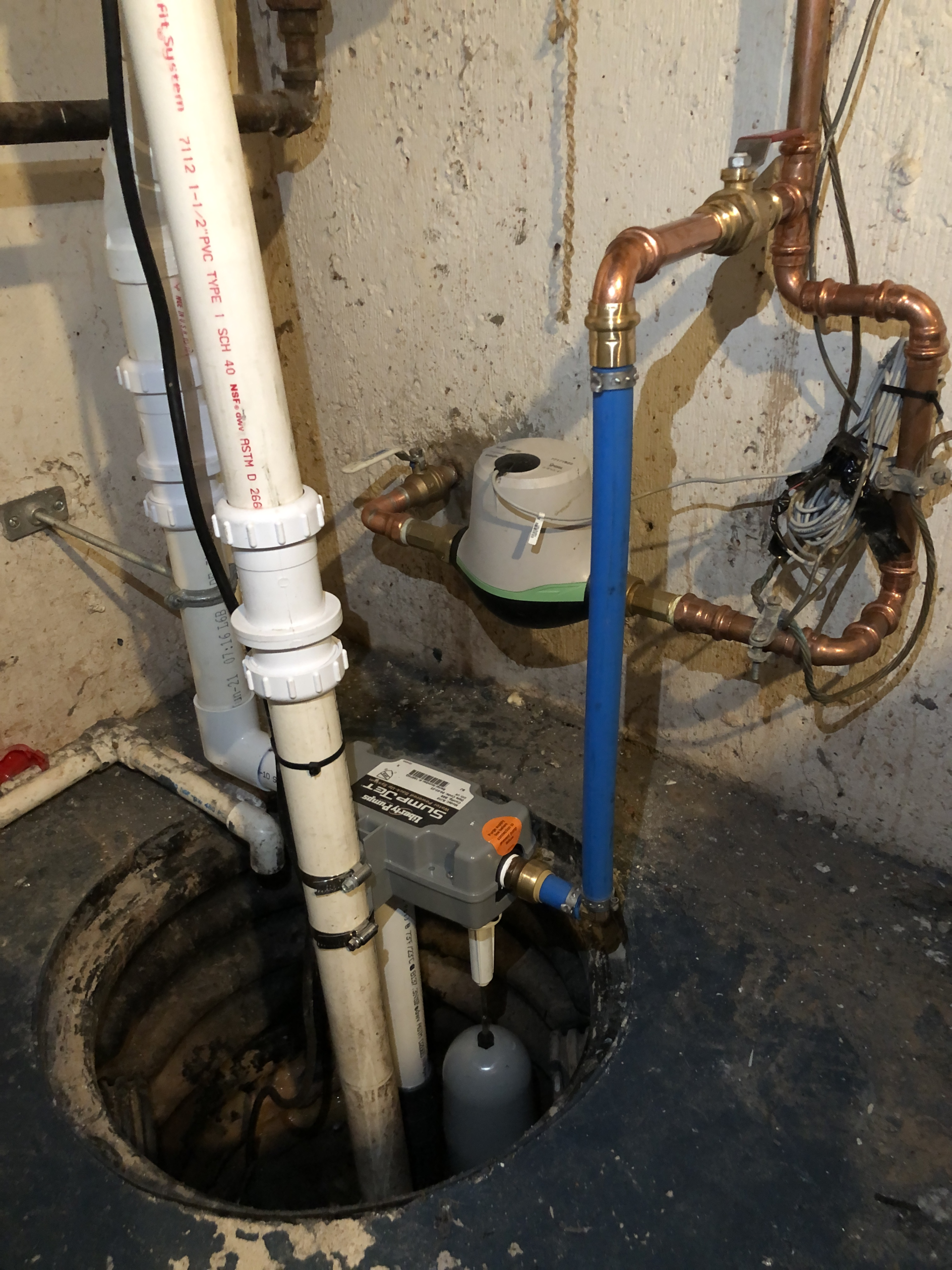
Interior waterproofing manages water that’s already getting in — drain tile along the interior footing, a sump pump, and sealant — and averages around $3,000, typically ranging $3,000 to $8,000. Exterior waterproofing stops water before it reaches the wall at all, which means excavating around the foundation, and averages closer to $7,000, ranging $8,000 to $15,000. How we set a range as wide as $3,000 to $8,000 around one type of job, rather than quoting a single figure, is explained in How We Estimate.
Per square foot, expect $3 to $10, so a 1,000-square-foot basement runs $3,000 to $10,000 depending on which approach and how bad the problem already is.
| Method | Typical Cost Range |
|---|---|
| Interior (drain tile + sump pump) | $3,000–$8,000 |
| Exterior (excavation + membrane) | $8,000–$15,000 |
| Full-scope severe cases | up to $18,000+ |
Which One Does Your Basement Need
If water is coming through the wall itself — visible seepage, efflorescence, a damp patch that grows after rain — that’s usually a job for exterior waterproofing, because the interior fix doesn’t stop water from reaching the wall, only from pooling on the floor. If the water is coming up through the floor or a crack at the wall-floor joint, interior drain tile and a sump pump usually solves it for a fraction of the price. Block foundations are more failure-prone and more expensive to fix than poured concrete, so foundation type is worth mentioning to any contractor quoting the job.
If You’re Taking the DIY Route
A minor, single crack or occasional dampness is realistically DIY-fixable. A basement that’s ever had standing water is not — that’s the point to call a waterproofing contractor.
- DAP Quick Plug Hydraulic Cement — Sets in minutes, even against active water pressure, which makes it the standard fix for a small, isolated foundation crack.
- WAYNE CDU790 Cast Iron Sump Pump — A cast-iron pump body holds up longer than the plastic ones once it’s running regularly, which matters if you’re relying on it during storms.
- Compare interior waterproofing sealants — Helps with minor dampness and efflorescence on an interior wall, though it won’t stop water actively pushing through from outside.
If you’ve ever had actual standing water on the floor, or the dampness keeps returning after a DIY fix, stop there — that’s a sign the water table or grading around the house is the real problem, and it needs a professional assessment, not another tube of sealant.
Before paying for any waterproofing work, check the simplest and cheapest cause first: gutters that don’t extend at least 4–6 feet from the foundation and grading that slopes toward the house instead of away from it cause a large share of "basement water" problems, and fixing either costs a fraction of a waterproofing system.
Leave a Reply