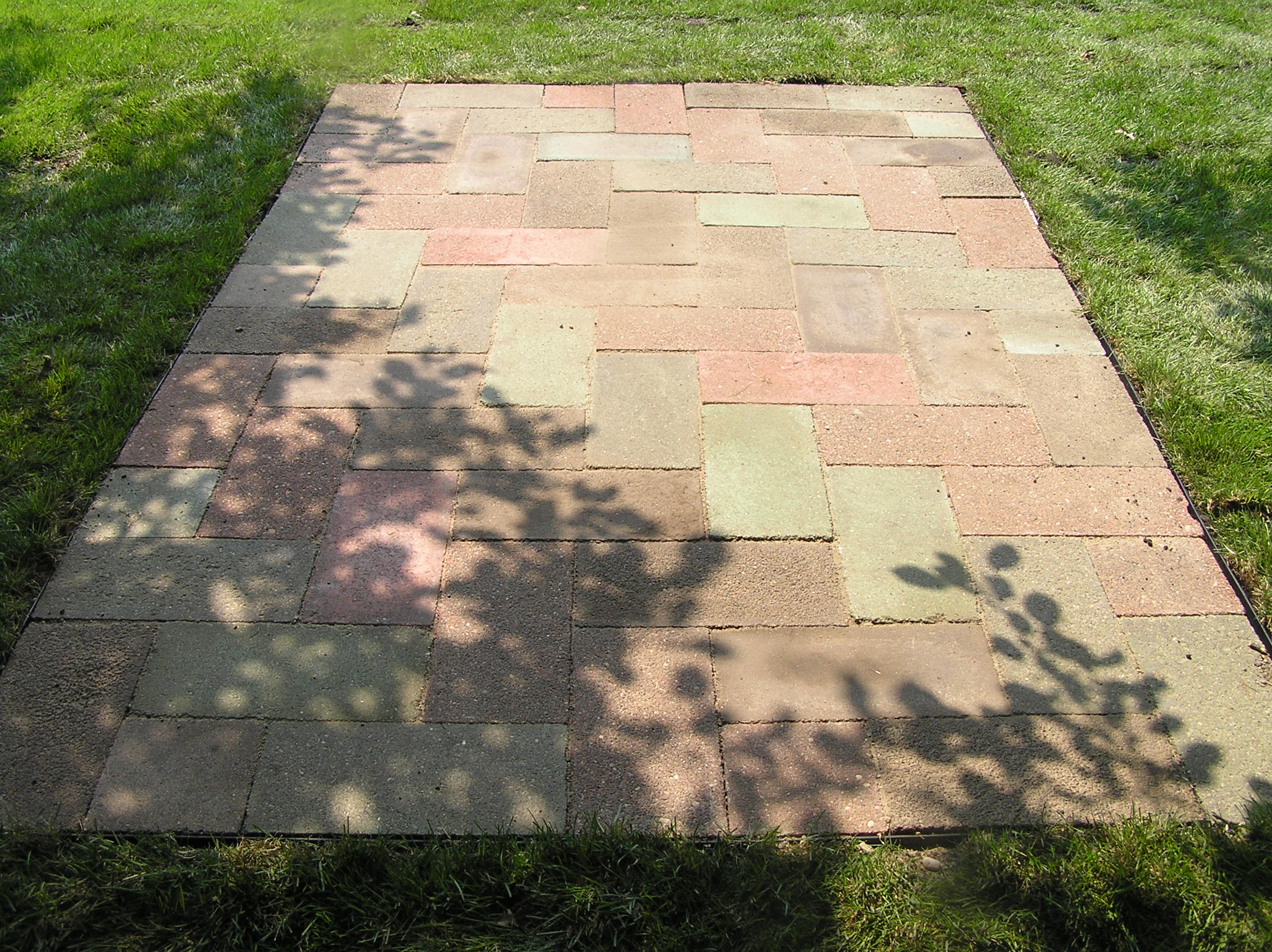
Material alone swings a paver patio from $10 to $20 a square foot for concrete pavers up to $40 to $55 for natural stone, an average 280-square-foot job landing near $3,350. A paver patio sits in an unusual spot for a home improvement project: it’s expensive enough that most people get quotes, but simple enough in principle — dig, level, base, sand, pavers — that a lot of homeowners end up doing at least part of it themselves. Where you land depends mostly on the material you pick and how much of the excavation you’re willing to do by hand.
Cost Per Square Foot by Material
Installed cost runs $20 to $30 per square foot for most professionally laid patios, but the material you choose swings that number more than almost anything else. Concrete pavers sit at the low end; natural stone and premium finishes can more than double the price.
For an average 280-square-foot patio, that puts a professionally installed job around $3,350, with a realistic range of $2,275 to $6,950 depending on material and site conditions. How we turn a per-square-foot figure into a realistic range for an average-size job like this one is covered in How We Estimate.
| Material | Cost per sq ft |
|---|---|
| Concrete pavers | $10–$20 |
| Brick | $25–$35 |
| Natural stone / flagstone | $40–$55 |
What Actually Drives the Spread
Site access and existing grade matter more than most people expect. A flat, easy-access backyard is a different job than one that needs drainage correction or a retaining edge to hold a slope. Base depth also isn’t optional — skimping on the compacted gravel base is the single most common reason a paver patio heaves or sinks within a few years, and it’s not visible until it’s already a problem.
If You’re Taking the DIY Route
A small, flat patio is genuinely within reach for a patient DIYer — the labor savings can be substantial since labor is most of the professional quote.
- Compare paver base panel options — A stabilizing base layer under the gravel keeps the patio from shifting — skipping it is the most common reason a DIY patio fails early.
- Alliance Gator G2 Maxx Polymeric Sand — Locks the joints between pavers and resists washing out in rain, which loose sand doesn’t.
- Compare plate compactor options — Renting one for a weekend is almost always cheaper than buying — check a local tool rental counter before you buy new.
- Steel landscape edging kit — Restrains the outer row of pavers so the whole patio doesn’t creep outward over a season of freeze-thaw.
If the site needs real drainage work, a retaining wall, or grading beyond a few inches of slope, that’s the point to call a contractor — getting the water management wrong is expensive to fix after the pavers are down.
Order 10% more material than your measured square footage. Cuts around curves and edges waste more paver and base material than people plan for, and a mid-project trip back to the supplier for a small top-up often means a different dye lot that doesn’t quite match.
Leave a Reply