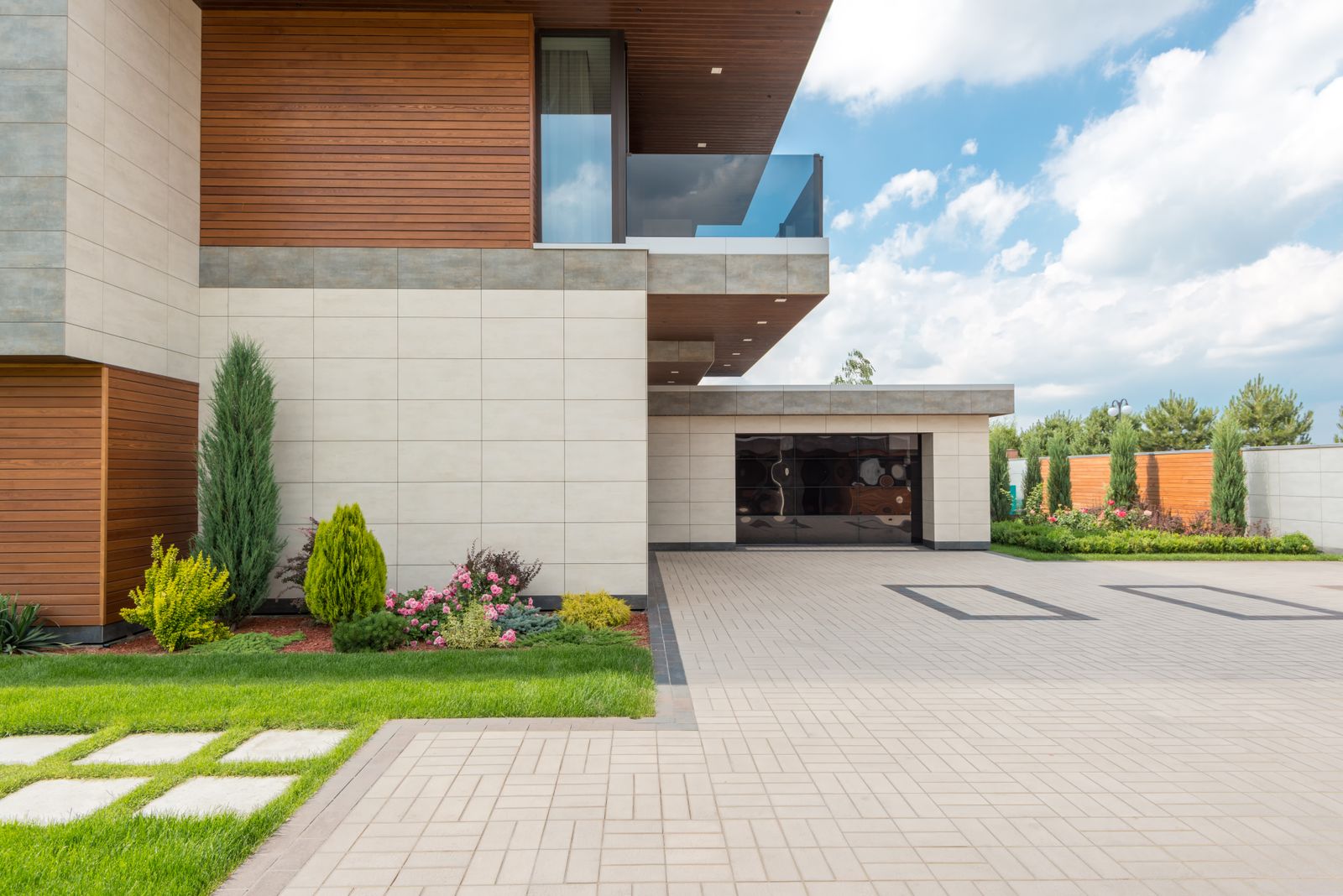
Asphalt runs $7 to $15 per square foot installed versus $8 to $20 for concrete, a gap that turns a 400-square-foot driveway into anywhere from $2,800 to $8,000. A cracked, sunken, or gravel-rutted driveway is one of those projects homeowners put off until it’s unavoidable — but replacing it is also one of the higher-leverage curb-appeal upgrades you can make, since it’s the first surface anyone sees pulling up to your house. The two mainstream options, asphalt and concrete, land in different price brackets and behave very differently over a 15-30 year ownership window, so the “cheaper” choice up front isn’t always cheaper overall.
What the Project Involves
A driveway replacement typically means: removing the old surface (if one exists), grading and compacting the sub-base, laying a gravel base for drainage and stability, then pouring concrete or laying hot-mix asphalt on top. Both materials need proper base prep to avoid the two most common failure modes — cracking from ground movement and pooling water from poor grading. Skipping or skimping on base work is the single biggest cause of driveways failing early, regardless of which surface material you choose.
Cost Breakdown by Material
Most residential driveways run 300 to 600 square feet — a single-car driveway is usually 200-300 sq ft, while a standard two-car driveway lands around 400-600 sq ft. Here’s what installed pricing looks like per square foot in 2026:
| Material | Cost per sq ft (installed) | 400 sq ft driveway | 600 sq ft driveway |
|---|---|---|---|
| Asphalt | $7–$15 | $2,800–$6,000 | $4,200–$9,000 |
| Concrete (standard broom finish) | $8–$12 | $3,200–$4,800 | $4,800–$7,200 |
| Concrete (stamped/decorative) | $12–$20 | $4,800–$8,000 | $7,200–$12,000 |
Asphalt is generally the cheaper up-front option, while concrete costs more initially but tends to last longer with less recurring maintenance. Concrete prices have also been climbing 3-5% annually as material costs rise, which is worth factoring in if you’re comparing quotes gathered months apart. How we build a range around a moving input like that annual price climb is explained in How We Estimate.
What Drives the Price Up or Down
A handful of factors swing these numbers more than the material choice itself:
Removal and disposal. Tearing out an existing driveway (asphalt, concrete, or even a thick gravel base) typically adds $1 to $3 per square foot before the new surface goes in. This is often the line item homeowners forget to budget for when comparing “new driveway” quotes to their actual replacement cost.
Grading and drainage. A driveway that slopes toward the house instead of away from it will eventually cause water problems at the foundation — the same underlying issue covered in our gutter installation cost breakdown, since driveway grading and gutter/downspout placement both exist to move water away from your house. If your lot needs significant regrading or a drain installed at the low point, add several hundred to a couple thousand dollars depending on scope.
Thickness and base depth. Standard driveways use a 4-inch slab or asphalt layer; if you park anything heavier than passenger vehicles — an RV, boat trailer, or work truck — a 5-6 inch pour with a deeper gravel base is worth the extra 15-25% cost to avoid cracking.
Finish and decoration. Plain gray concrete is the cheapest concrete option; stamped, stained, or exposed-aggregate finishes roughly double the per-square-foot cost but can meaningfully boost curb appeal and resale value, similar to the material trade-offs we walked through in the vinyl vs. fiber cement siding comparison — cheaper materials cost less now, premium ones cost less to maintain and look better longer.
Climate. In freeze-thaw regions, both materials are vulnerable to cracking, but concrete cracks tend to be more visually permanent (patches rarely blend in) while asphalt can be resurfaced relatively cheaply. In hot climates, asphalt can soften and rut under heavy vehicle weight over time.
Slope and access. A steep or oddly shaped driveway, or a site trucks can’t easily reach, adds labor time and sometimes requires hand-forming or smaller equipment, both of which raise labor costs.
The Long-Term Cost Most People Miss
Sticker price only tells half the story. Asphalt needs sealcoating roughly every 2-3 years ($400–$800 for a typical 400 sq ft driveway) to prevent water infiltration and extend its life, and most asphalt driveways need resurfacing or replacement within 15-20 years. Concrete needs sealing far less often (every 3-5 years, and it’s a cheaper job) and commonly lasts 25-30+ years before major work is needed. Run the math over two decades and the gap between “cheap asphalt” and “expensive concrete” narrows considerably — sometimes concrete comes out ahead on total cost of ownership even though it costs more on day one.
If you’re weighing this alongside other exterior projects — say, you’re also pricing out a new fence or a retaining wall for the same property, it’s worth sequencing hardscape work before the driveway goes in, since heavy equipment for those projects can damage a freshly poured or paved surface.
Realistic Total Range
For a typical 400-600 sq ft two-car driveway with a straightforward, flat, easily accessible site and no major demolition needed, expect:
Asphalt: roughly $3,000 to $9,000 installed.
Standard concrete: roughly $3,500 to $7,500 installed.
Decorative concrete: roughly $5,000 to $12,000 installed.
Add $1,000–$2,500 on top of any of these if the old driveway needs to be torn out first, and budget more if your site needs significant grading, drainage work, or a thicker slab for heavy vehicles.
Practical Tips
Get at least three quotes from local contractors — driveway pricing varies more by region and contractor than almost any other home project, and national averages are only a starting point for your own conversations. Ask each contractor specifically about base depth and compaction method, since that’s the part of the job you can’t see once it’s finished but that determines whether the driveway lasts 10 years or 30. Time the project for moderate weather; both asphalt and concrete cure poorly in extreme heat or freezing temperatures, and many contractors’ schedules (and prices) reflect seasonal demand. Finally, check whether your municipality requires a permit for driveway replacement, especially if it affects drainage into a public right-of-way — skipping this step can mean redoing the work later.
Estimate Your Driveway Cost
Use the calculator below to get a rough estimate based on your driveway’s size and material. This gives a ballpark only — get contractor quotes for an accurate number specific to your site.
Driveway Cost Calculator
Actual costs vary significantly by region, site conditions, and contractor — always get multiple local quotes before budgeting a final number.
Sealcoating it yourself. The $400–$800 quote above is mostly labor — materials for a 400 sq ft driveway run $60–$150, and it’s a squeegee job, not a skilled one. Henry HE532410 5 Gallon Driveway Asphalt Resurfacer covers 250-500 sq ft depending on how porous the surface is, and it’s worth comparing current sealer prices before you buy, since coverage per bucket varies a lot between brands. Either way, allow 24-48 hours before you drive on it, and note that nothing will stick to a driveway that still has oil stains on it.
Leave a Reply