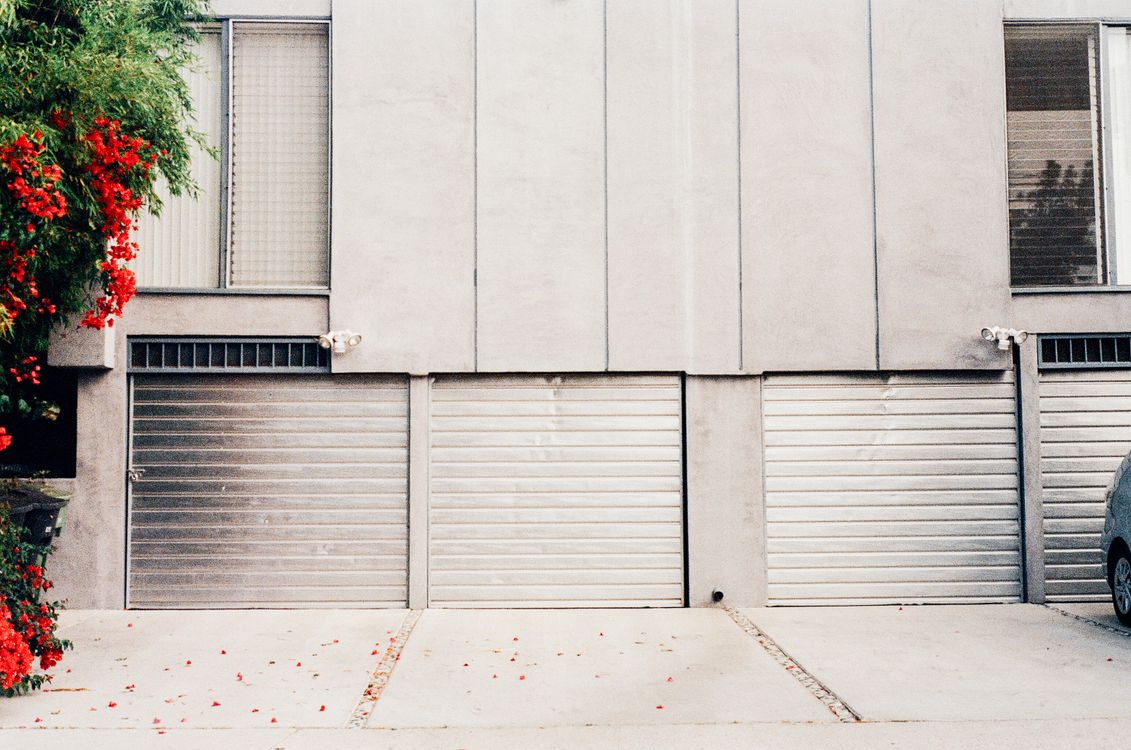
Steel doors start around $844 for a basic single-car door and climb to $4,000 for an insulated double, while matching wood versions run $2,200 to $9,000 for the same range. A garage door is the biggest moving object on most houses, and it’s also the single highest-ROI project you can do to it — recouping around 268% of its cost in resale value, according to the 2026 Cost vs. Value Report. That’s not a typo. It ranked #1 out of 28 common remodeling projects, in every region of the country. Here’s what one actually costs.
Bottom line
$800–$12,000 installed
A typical insulated steel double door, installed, reusing your existing opener: $1,800–$4,000, most land around $2,750. Wood and full-view custom doors run well beyond that.
Why This Isn’t a Springs-and-a-Saturday DIY Project
Full disclosure up front: unlike painting or even a mini-split, a full garage door replacement isn’t something to save money on by doing it yourself — and it’s not about the door panels being heavy. It’s the torsion spring. A closed garage door spring stores 25,000-35,000 inch-pounds of energy, enough to seriously injure or kill someone if it’s released wrong. Professional installers have the winding bars and training for it; a YouTube tutorial doesn’t substitute for that. If a quote seems oddly cheap and skips a licensed installer, that’s a red flag, not a deal.
Where you actually have DIY room: swapping just the opener (no spring work involved) is a legitimate weekend project, usually $150–$400 in parts. The door itself — get it installed by a pro. This is a case where “done right” isn’t the upsell; it’s the only safe option.
Find Your Number
| Size & Style | Steel (installed) | Wood/Carriage-Style (installed) |
|---|---|---|
| Single car, non-insulated | $844–$1,800 | $2,200–$4,000 |
| Single car, insulated | $1,400–$2,800 | $3,000–$5,500 |
| Double car, insulated (standard) | $1,800–$4,000 | $5,000–$9,000 |
| Double car, premium/full-view | $3,500–$6,000 | $7,000–$12,000 |
These assume you’re keeping your existing opener. Add $250–$700 if the opener needs replacing too, and factor in $50–$150 for hauling away the old door.
What Actually Moves the Price
- Insulation: a non-insulated steel door is the cheapest option and fine for a detached garage. Insulated (usually a steel-polyurethane-steel sandwich) costs more but matters a lot if the garage is attached or heated.
- Windows: adding a row of windows for light typically adds $200–$600, more for full-view glass-and-aluminum doors.
- Track and hardware condition: if your existing track, rollers, or cables are worn, an installer will often recommend replacing them at the same time — usually $100–$300 more, and worth doing since you’re already paying for a service call.
- Old door removal: most quotes include haul-away, but confirm it’s in writing. Some installers charge $50–$150 extra if you don’t ask upfront.
- Custom sizing: anything other than a standard single (8-9 ft) or double (16 ft) opening adds a custom fabrication cost, sometimes significant.
The ROI Angle, and Why It’s Real
A new garage door recouping 268% sounds like marketing math, but the logic actually holds up: the garage door often covers up to a third of a home’s street-facing front, so it does more to shape a buyer’s first impression than almost anything else you could spend the same money on. It also acts as a signal — buyers read a fresh, well-fitted garage door as evidence the rest of the house has been maintained, which reduces their perceived risk (and therefore how hard they negotiate). For comparison, a kitchen remodel recoups around 96%, and a full bathroom remodel is often lower. If you’re weighing a handful of pre-sale projects, this is usually the one to do first.
Steel vs. Wood or Carriage-Style
Steel is the default for a reason: it’s durable, needs almost no maintenance, and comes in insulated or non-insulated versions at a fraction of wood’s cost. Carriage-style doors (steel or composite made to look like old barn doors) split the difference — the curb-appeal upgrade of wood without the upkeep, usually $200–$800 more than a comparable plain steel door. Real wood looks the best and costs the most, plus it needs re-staining or re-painting every few years to hold up, which is worth factoring into the “done right” number if you’re the one who’ll be maintaining it.
Practical Tips
- Get at least two written quotes. Garage door pricing varies more by installer markup than by the door itself — a $1,000 spread on the same door isn’t unusual.
- Ask what’s included in “installed.” Old door removal, new track/hardware, and opener compatibility check should all be spelled out, not assumed.
- Match the opener to the door weight. An insulated door is heavier; an older 1/3 HP opener may struggle with it. Ask the installer to confirm compatibility before they leave.
- Don’t DIY the spring, full stop. If a quote is unusually low and the installer suggests you handle any part of the spring system yourself, get a different quote.
- If you’re selling within a year or two, prioritize this project. It’s the rare home improvement where the numbers actually favor doing it purely for resale value.
Costs above are national averages from current garage door industry pricing and the 2026 Cost vs. Value Report as of mid-2026. Actual pricing varies by region, door size, and local installer rates — get two or three written quotes from licensed garage door installers before deciding. How we turn a national average into the range shown above, and why local installer rates can push a quote well outside it, is covered in How We Estimate.
Related Cost Guides
- Mini-Split Heat Pump Installation Cost
- Hardwood Floor Refinishing Cost
- Bathtub Refinishing vs. Replacement Cost
Leave a Reply